Blacklisting in the context of email marketing is when an email sender’s IP address or domain is placed on a list by Internet Service Providers (ISPs), Email Service Providers (ESPs), or blacklist operators (like Spamhaus or SpamCop). Being on a blacklist means that emails from the blacklisted IP or domain are either blocked or sent directly to the spam folder, significantly affecting email deliverability and overall campaign effectiveness.
Blacklisting typically occurs when a sender has repeatedly sent emails that are marked as spam by recipients, or if the sender has been identified as sending malicious content, such as malware, or engaging in deceptive practices. It can also happen if a sender’s emails frequently hit spam traps, which are email addresses specifically set up to catch spammers.
How Email Hygiene Helps Prevent Blacklisting:
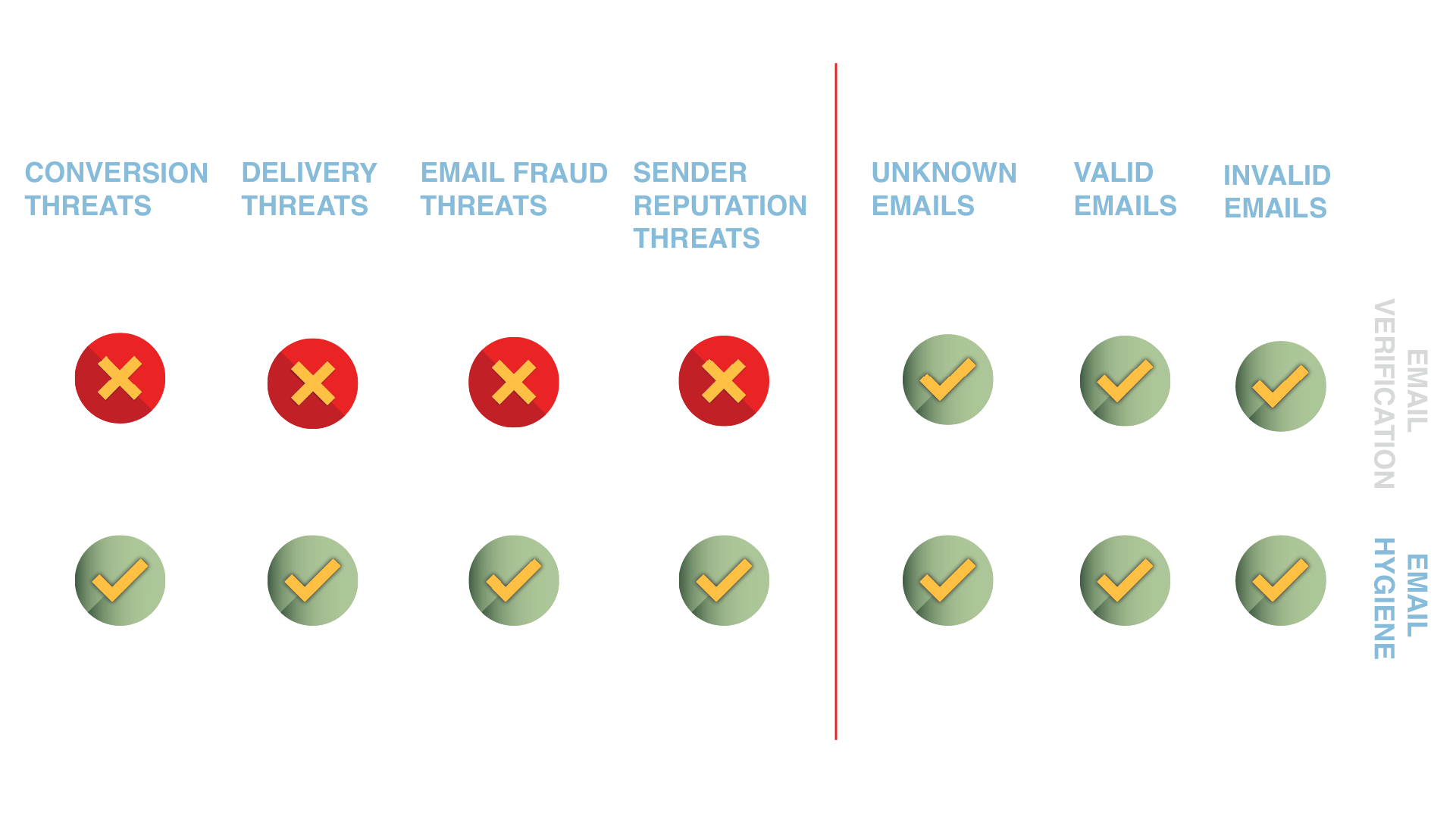
- Removing Invalid Emails: Email hygiene processes identify and remove invalid or non-existent email addresses from mailing lists. Sending emails to such addresses can lead to high bounce rates, which is a common factor for blacklisting.
- Identifying and Removing Spam Traps: One of the key aspects of email hygiene is the detection and removal of spam traps from an email list. Hitting spam traps is a major red flag for ISPs and can quickly lead to blacklisting.
- Reducing Spam Complaints: By maintaining a clean email list, email hygiene helps in reducing the rate of spam complaints from recipients. Recipients are less likely to mark emails as spam if the content is relevant and the list contains only active, engaged users.
- Enhancing Sender Reputation: Regular email hygiene maintains the sender’s reputation by ensuring that engagement rates are high and bounce rates are low. A good sender reputation is crucial for avoiding blacklists.
- Compliance with Email Sending Best Practices: Email hygiene supports adherence to best practices in email marketing by ensuring that lists are up-to-date and compliant with data protection regulations, further reducing the risk of blacklisting.
In summary, regular and effective email hygiene is a crucial strategy for any email marketer to prevent the risks of blacklisting, thereby ensuring that their email communications reach their intended recipients and achieve the desired engagement.